
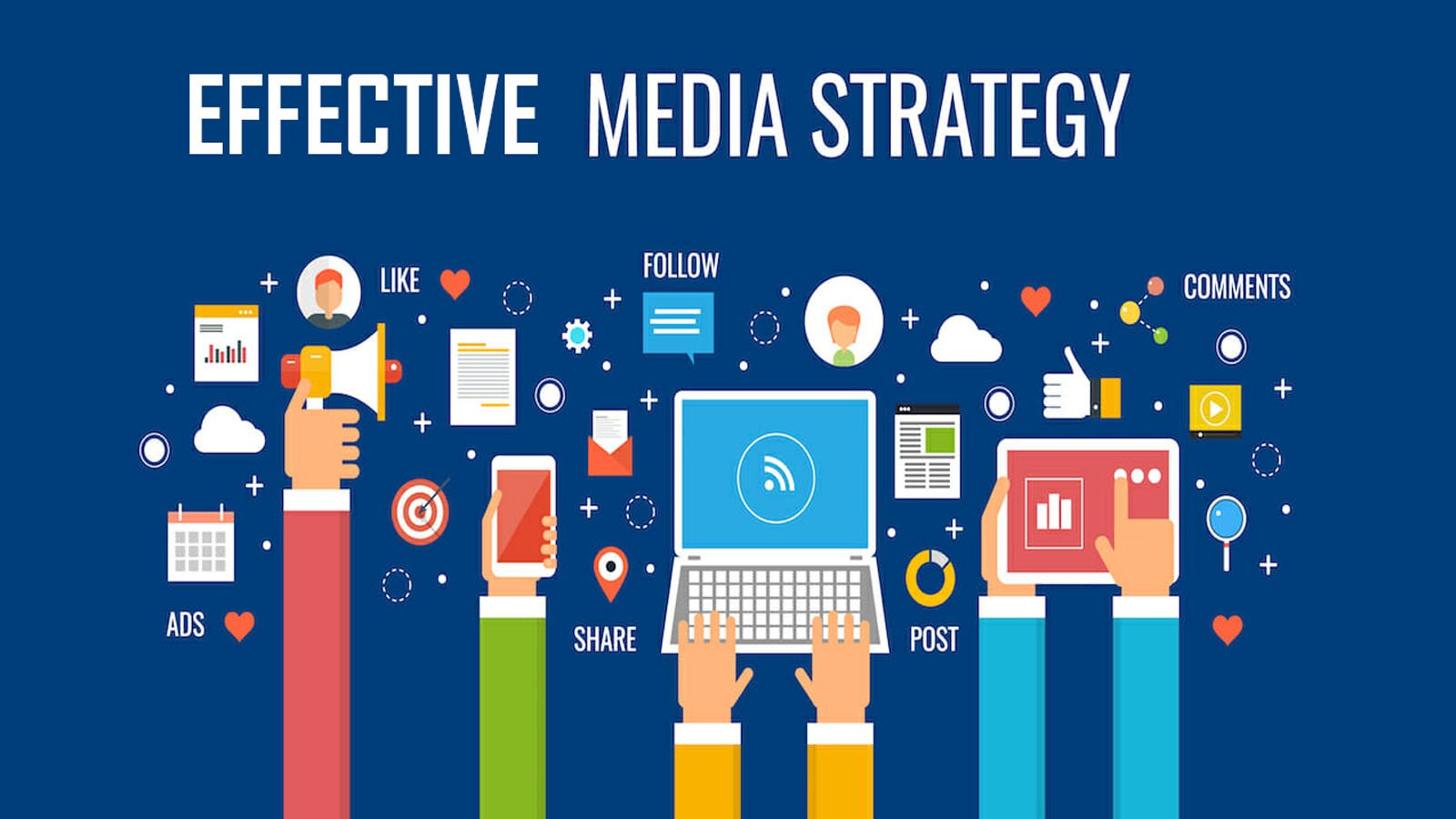
Effective Media Strategy
An effective media strategy is essential for any business or organization looking to connect with its target audience and achieve its marketing goals. Whether you’re a small start-up or a large corporation, a well-crafted media strategy can help you reach your target audience, build brand awareness, and drive sales.
The first step in creating an effective media strategy is to define your target audience. Who are the people you are trying to reach, and what are their needs and wants? Understanding your target audience is crucial for developing a message that resonates with them and for selecting the right channels to reach them.
Once you have defined your target audience, it is important to set clear and measurable goals for your media strategy. These goals should be specific, actionable, and time-bound. For example, your goal may be to increase brand awareness by 15% within the next 6 months, or to increase website traffic by 20% within the next quarter. Setting clear goals will help you stay focused and track your progress as you implement your media strategy.
With your target audience and goals in mind, you can now begin to select the channels that will be most effective in reaching your audience. There are many different types of media channels available, including traditional media such as television, radio, and print, as well as digital media such as social media, email, and websites. Each channel has its own strengths and weaknesses, and the right channels will depend on your target audience and your goals.
For example, if your target audience is young, tech-savvy, and primarily active on social media, then it would make sense to focus on social media channels such as Instagram, TikTok, and YouTube. On the other hand, if your target audience is older, less tech-savvy, and primarily active on television, then it would make sense to focus on traditional media channels such as television and radio.
Once you have selected the channels that will be most effective in reaching your target audience, you can begin to develop your message. Your message should be clear, concise, and consistent across all channels. It should be tailored to your target audience and should align with your goals. It’s important to remember that the message should be simple and easy to understand.
Your message should also be consistent across all channels. This means that the message should be the same no matter where your target audience encounters it. This will help to build trust and credibility with your target audience, and it will also make it easier for them to remember your message.
Once your message has been developed, it’s time to create a content plan. This plan should outline the specific pieces of content that will be created and distributed on each channel. The plan should also include a calendar that outlines when each piece of content will be published. This will help you stay organized and ensure that your content is being released at the right time.
It’s also important to consider the budget for your media strategy. This will help you determine which channels are feasible, and it will also help you plan how much content needs to be created and distributed. A well-crafted media strategy will also include a plan for how to measure the success of the campaign. This includes setting up key performance indicators (KPIs) that will help you track progress and make adjustments as needed.
Finally, it’s important to remember that an effective media strategy is not a one-time event. It’s an ongoing process that requires constant monitoring and adjustment. As you implement your media strategy, be sure to track your progress and make adjustments as needed. This may include testing different messages, channels, or content formats to see what works best.
In conclusion, an effective media strategy is essential for any business or organization looking to connect with its target audience and achieve its marketing goals. It involves understanding your target audience, setting clear and measurable goals, selecting the right channels, developing a consistent message, creating a content plan, managing a budget, and continuously monitoring and adjusting the strategy. By following these steps and being strategic and consistent in your approach, you can ensure that your media strategy is effective in reaching your target audience and achieving your marketing goals.
One important thing to keep in mind is that the media landscape is constantly changing, so it’s important to stay up to date with the latest trends and technologies. This means being open to new channels, new formats, and new technologies, as well as being open to testing new approaches and experimenting with different tactics.
Another important aspect of an effective media strategy is to have a strong analytics in place. It is important to track the results of your campaign, measure the performance and make changes accordingly. This includes monitoring website traffic, social media engagement, conversions, and other key performance indicators. By having a clear understanding of what is working and what isn’t, you can make informed decisions about how to adjust your strategy for maximum results.
Finally, it’s important to remember that an effective media strategy is not just about reaching your target audience, but also about building a relationship with them. This means creating content that is valuable and relevant to your target audience, engaging with them on social media and other channels, and showing them that you understand their needs and wants. By building a strong relationship with your target audience, you can ensure that they will be more likely to engage with your brand and become loyal customers.
In summary, an effective media strategy is a key element of any marketing plan. By understanding your target audience, setting clear goals, selecting the right channels, developing a consistent message, creating a content plan, managing a budget, and continuously monitoring and adjusting the strategy, you can ensure that your media strategy is effective in reaching your target audience and achieving your marketing goals.
Originally published on LinkedIn on 28 January 2023