
Micro vs. Macro Influencers: Choosing the Right Voice for Strategic Brand Impact in South Asia
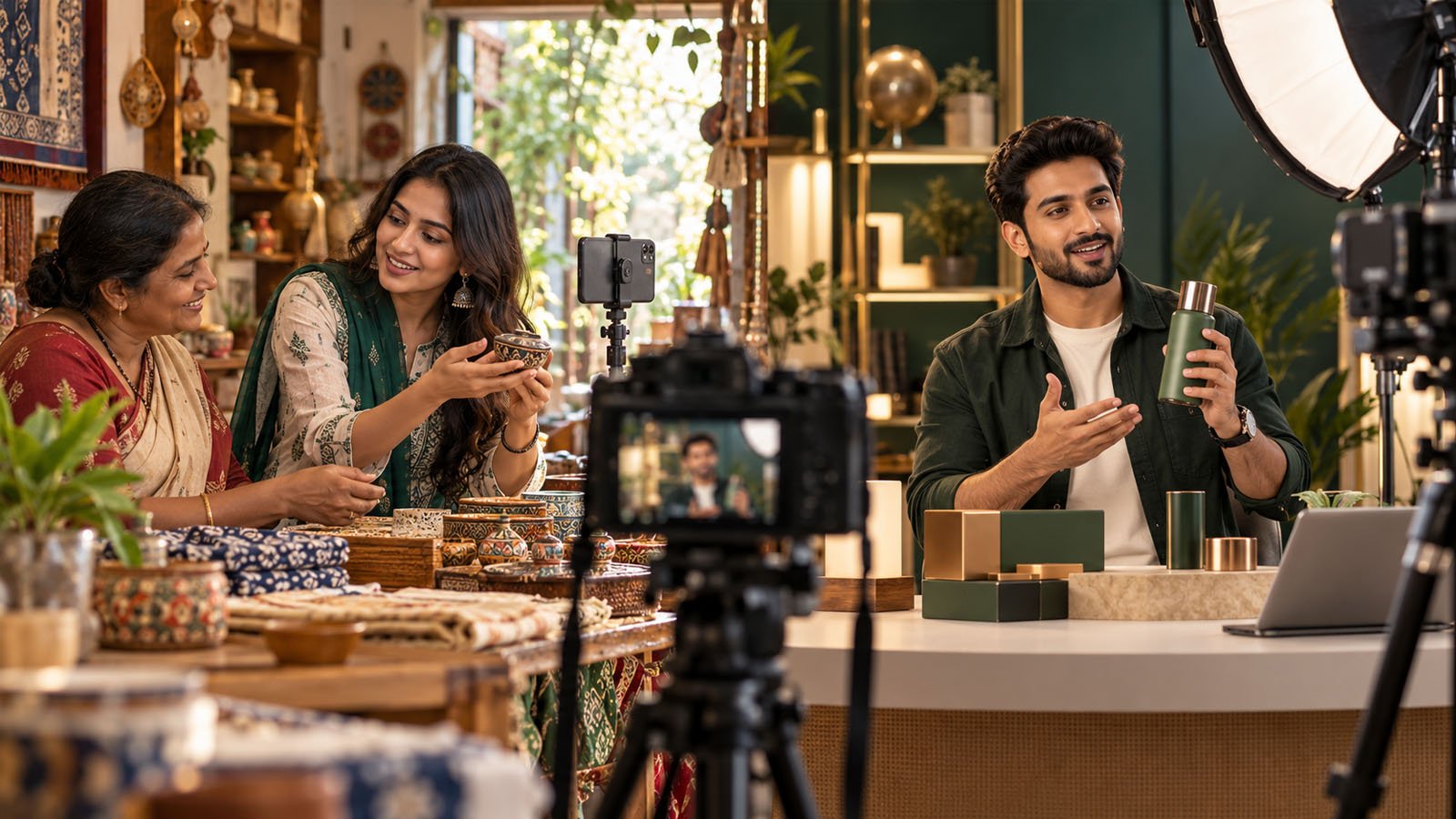
In the evolving communication landscape of Nepal, India, and South Asia, brands are shifting from mass media dominance to strategic brand management through influencer-driven storytelling. But a critical question remains: Should your brand invest in micro-influencers or macro-influencers? The answer isn’t binary—it’s strategic.
As a Corporate Affairs Leader and Executive Brand Strategist, I’ve observed that the effectiveness of influencer marketing is not just about reach—it’s about relevance, trust, and timing. And in South Asia’s socio-cultural context, this choice can dramatically influence public trust, stakeholder engagement, and reputation management.
Understanding the Spectrum:
Macro-Influencers (100K+ followers): ✔ High reach and visibility ✔ Ideal for brand awareness campaigns ✔ Influential among mass urban audiences ✔ Preferred by MNCs and luxury brands in India and tier-1 cities of South Asia
Micro-Influencers (10K–100K followers): ✔ Deeper audience engagement ✔ Higher authenticity and trust ✔ Cost-effective with localized impact ✔ Crucial for purpose-driven branding in emerging markets like Nepal and tier-2/3 cities across the region
Nepal: The Micro-Influencer Goldmine
In Nepal, macro-influencers are few, and most celebrities are over-leveraged. Micro-influencers, bloggers, and niche content creators are more relatable to urban and semi-urban youth. For example, campaigns that focus on CSR & sustainability integration or public affairs messaging benefit more from micro voices with credibility in their domain—be it agriculture, youth advocacy, or women’s empowerment.
For companies engaged in regulatory communication or government relations, collaborating with respected local voices helps navigate sensitive narratives while reinforcing public affairs leadership.
India: The Strategic Mix
India presents a complex ecosystem. In metro cities, macro-influencers can power multimillion-dollar campaigns and launch new products at scale. However, regional language creators and community influencers in states like UP, Odisha, or Tamil Nadu are key for brand penetration.
Brands that operate across sectors (telecom, BFSI, FMCG, development) are increasingly blending cross-sector marketing strategy with regional micro-influencers to win trust, especially in politically or culturally nuanced markets.
South Asia: Balancing Trust & Scale
In markets like Bangladesh, Sri Lanka, and Pakistan, the influencer ecosystem mirrors Nepal’s trajectory—trust trumps visibility. Whether navigating crisis communication, promoting sustainability, or managing stakeholder relations, micro-influencers often outperform celebrity-led campaigns in credibility and ROI.
Moreover, governments and institutions seeking public messaging alignment now collaborate with influencers to spread purpose-driven narratives in health, education, and finance.
What Should Brands Do?
🔹 Define Your Goal – Awareness? Advocacy? Action? 🔹 Assess Market Maturity – Macro works in saturated markets; micro in trust-building phases 🔹 Align With Brand Purpose – Authenticity over popularity 🔹 Balance Media Strategy – Mix influencers into your multichannel campaign management 🔹 Train and Monitor Creators – Think long-term partnerships, not one-time posts
Final Thought:
As someone who’s worked across corporate training design, media strategy, and executive communication, I believe the best marketing today isn’t about who shouts the loudest—but who is trusted the most. In South Asia, especially in Nepal, that trusted voice increasingly belongs to the micro-influencer—hyper-local, hyper-relevant, and deeply engaged.
Whether you’re in public relations, CSR strategy, or C-suite brand consulting, this strategic shift is one you can’t afford to ignore.
#CorporateAffairs #StrategicBranding #StakeholderEngagement #LeadershipCommunication #ReputationManagement #PublicRelations #CSRStrategy #NepalLeadership #MarketingExcellence #MireshAdhikari
Originally published on LinkedIn on 7 May 2025.
You May Also Enjoy Reading

Why People Still Took Sides: The Mystery of Brand Loyalty
Why do customers keep choosing a brand when alternatives exist? Through Karna’s loyalty, this Brand Vyuha article explores trust, familiarity and the…
Read article
The Invisible Weight of a Name: Understanding Brand Equity
What makes a familiar name worth more than an unknown one? Through a Mahabharata lens, this article explores how experience, confidence and…
Read article
Hastinapur Lived in the Mind: The Battle for Brand Recall
Hastinapur was more than a kingdom in the Mahabharata. Its name carried the weight of lineage, authority and the Kuru throne. For…
Read article
Indraprastha Was Not Built by Accident: Designing Brand Experience
Customers experience one brand across many interactions. Drawing on Indraprastha, this article explores how products, people and processes turn a brand promise…
Read article