
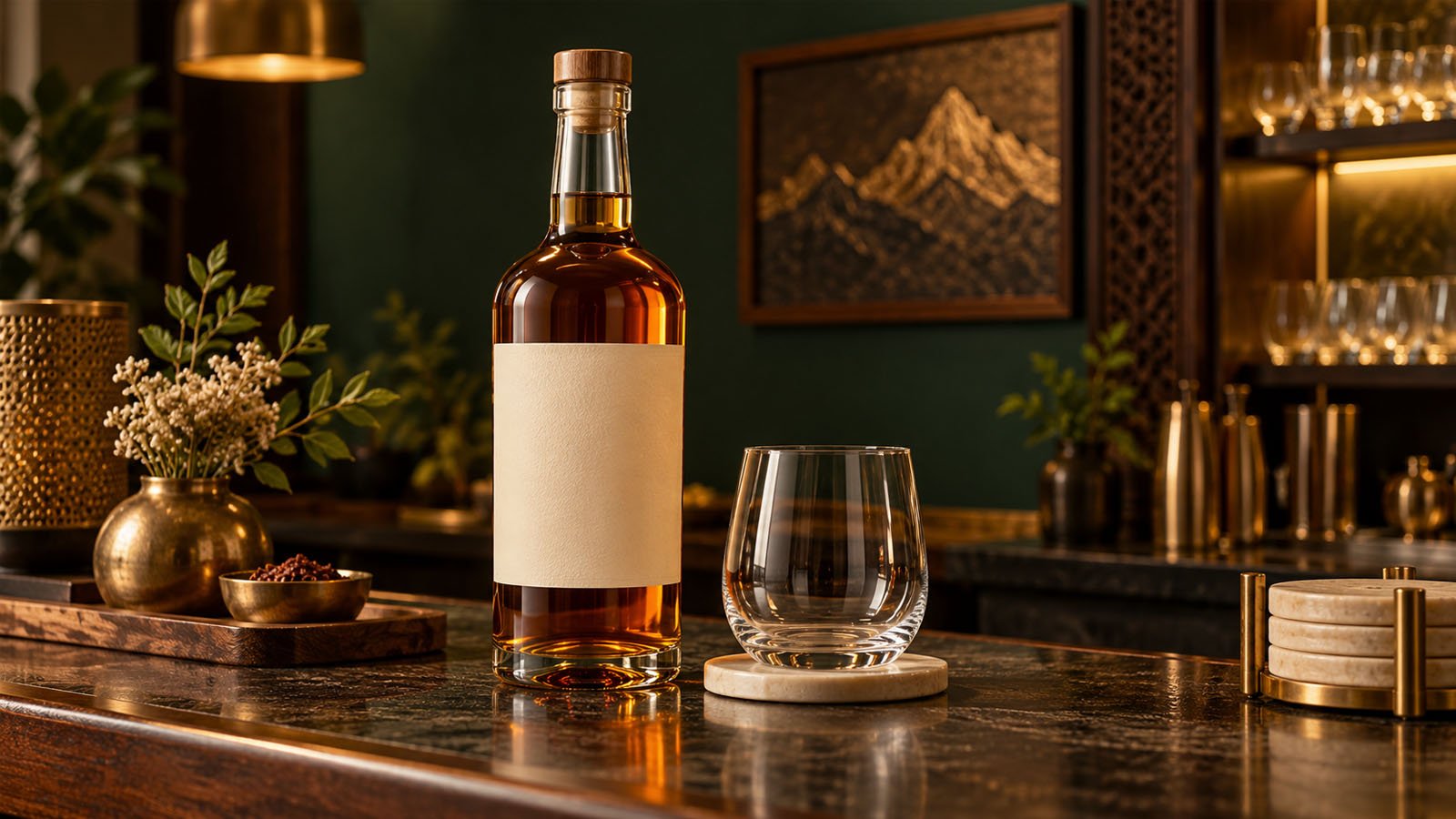
Marketing Alcohol Brands in Nepal: Building a Brand Without Saying a Word
In Nepal, the marketing of alcohol is not just regulated — it is practically silenced. No television ads, no radio jingles, no print promotion, no outdoor hoardings, no influencer endorsements, and not even surrogate marketing through bottled water or soda.
For many, that sounds like the end of marketing. But for those of us who understand the deeper purpose of brand building, it’s only the beginning of a different kind of creativity — one that communicates not through media, but through meaning.
The Silent Market
The Nepali alcohol industry operates within one of the most restrictive communication environments in the region. Yet, the market remains competitive, dynamic, and emotionally charged. Consumers still make clear choices — not only about what they drink, but what those drinks represent.
That simple truth tells us something powerful: Brand positioning does not depend on how loudly you speak, but how deeply you connect.
So, How Does One Build a Brand in Silence?
Without mass media, a new alcohol brand entering Nepal must rely on presence, experience, and symbolism — three areas where creative marketers can still play, legally and effectively.
1. Presence Through Environment
Bars, restaurants, clubs, and retail shelves are the only places where the product can legally exist — and that makes these spaces the new battlegrounds of brand perception.
A brand’s cooler, glass design, coaster, bar light, or serving ritual becomes its advertising. This is in-premise branding, and it works through consistency.
The objective is to build visual familiarity until the brand feels “everywhere,” even when it has never spoken a word.
2. Experience as Communication
In a silent market, the product experience itself is the media.
Every sip, every chill moment with friends, every visible label in a social setting carries communication value. Creating consistent experiences across points of sale — from how the bottle feels in hand to how it’s served — can build powerful emotional associations.
When consumers begin to describe a beer as “the one we have when we celebrate” or “the one that feels Nepali,” the brand has already advertised — without advertising.
3. Symbolism and Storytelling
A strong brand does not need slogans; it needs symbols.
Take, for instance, the idea of the Gorkhali spirit — bravery, pride, unity, and authenticity. When a brand draws inspiration from national values, regional identity, or collective emotion, it builds meaning rather than just marketing.
Brand storytelling, when expressed through design, community events, or social presence that talk about heritage, craftsmanship, and culture, builds silent yet lasting resonance.
4. Social Visibility Through Lifestyle Content
While direct and surrogate advertising is banned, lifestyle content that reflects shared values and social stories is not.
For instance, promoting “Refreshing Moments” or “Stories of Togetherness” through digital content, music collaborations, or community projects can indirectly reinforce the brand’s emotional world — without showing or naming the product.
Here, the product never appears, but the feeling it represents becomes familiar.
5. Community and Experience-Based Engagement
A new alcohol brand entering Nepal can also invest in community-driven experiences — responsibly organized events, local art sponsorships, or cultural storytelling projects that embody the same spirit as the brand’s ethos.
These experiences build earned visibility — word-of-mouth, peer recommendation, and cultural credibility that no advertisement can buy.
The Strategic Edge: Turning Limitations Into Leverage
Having worked across FMCG, ISP, and beverage industries, I’ve seen that when regulation tightens, creativity deepens. In alcohol marketing, compliance does not mean silence — it means learning to communicate through cues.
- Design becomes dialogue. The shape of the bottle, the typography, the color palette — all can evoke heritage, pride, or modernity.
- Moments become media. When friends share a celebration, a visual identity in that frame becomes more powerful than a billboard.
- Culture becomes campaign. Aligning with local pride, festivals, and community events ensures a brand becomes part of life rather than just part of commerce.
How I Bring Value as a Marketing Professional
With over two decades of experience in sales, brand management, and behavioral marketing, I specialize in building brands where traditional tools are unavailable. Having worked in the beer category, I understand that in this sector, success is not about awareness alone — it’s about association.
My approach is rooted in:
- Designing integrated brand ecosystems where packaging, presence, and people tell one cohesive story.
- Creating emotional narratives that link products to national identity and pride.
- Ensuring strategic compliance, so creativity never crosses into violation but still achieves distinction.
In an industry where the loudest voices are legally muted, strategy, symbolism, and subtlety become the new instruments of persuasion.
The Future of Alcohol Marketing in Nepal
As media restrictions persist, the next generation of successful alcohol brands in Nepal will not be the ones that shout the loudest, but the ones that understand silence — and use it to tell powerful, emotional stories.
Marketing has evolved from communication to creation — and in this new landscape, experience is the advertisement.
If you’d like to explore how meaningful branding and experience design can help restricted categories grow responsibly and sustainably, I’d be happy to connect and share insights from my work in the Nepali and regional beverage markets.
#AlcoholMarketing #BrandStrategy #NepalBusiness #MarketingInnovation #ConsumerBehavior #BrandBuilding
Originally published on LinkedIn on 24 October 2025.
You May Also Enjoy Reading

Why People Still Took Sides: The Mystery of Brand Loyalty
Why do customers keep choosing a brand when alternatives exist? Through Karna’s loyalty, this Brand Vyuha article explores trust, familiarity and the…
Read article
The Invisible Weight of a Name: Understanding Brand Equity
What makes a familiar name worth more than an unknown one? Through a Mahabharata lens, this article explores how experience, confidence and…
Read article
Hastinapur Lived in the Mind: The Battle for Brand Recall
Hastinapur was more than a kingdom in the Mahabharata. Its name carried the weight of lineage, authority and the Kuru throne. For…
Read article
Indraprastha Was Not Built by Accident: Designing Brand Experience
Customers experience one brand across many interactions. Drawing on Indraprastha, this article explores how products, people and processes turn a brand promise…
Read article