
Why People Still Took Sides: The Mystery of Brand Loyalty
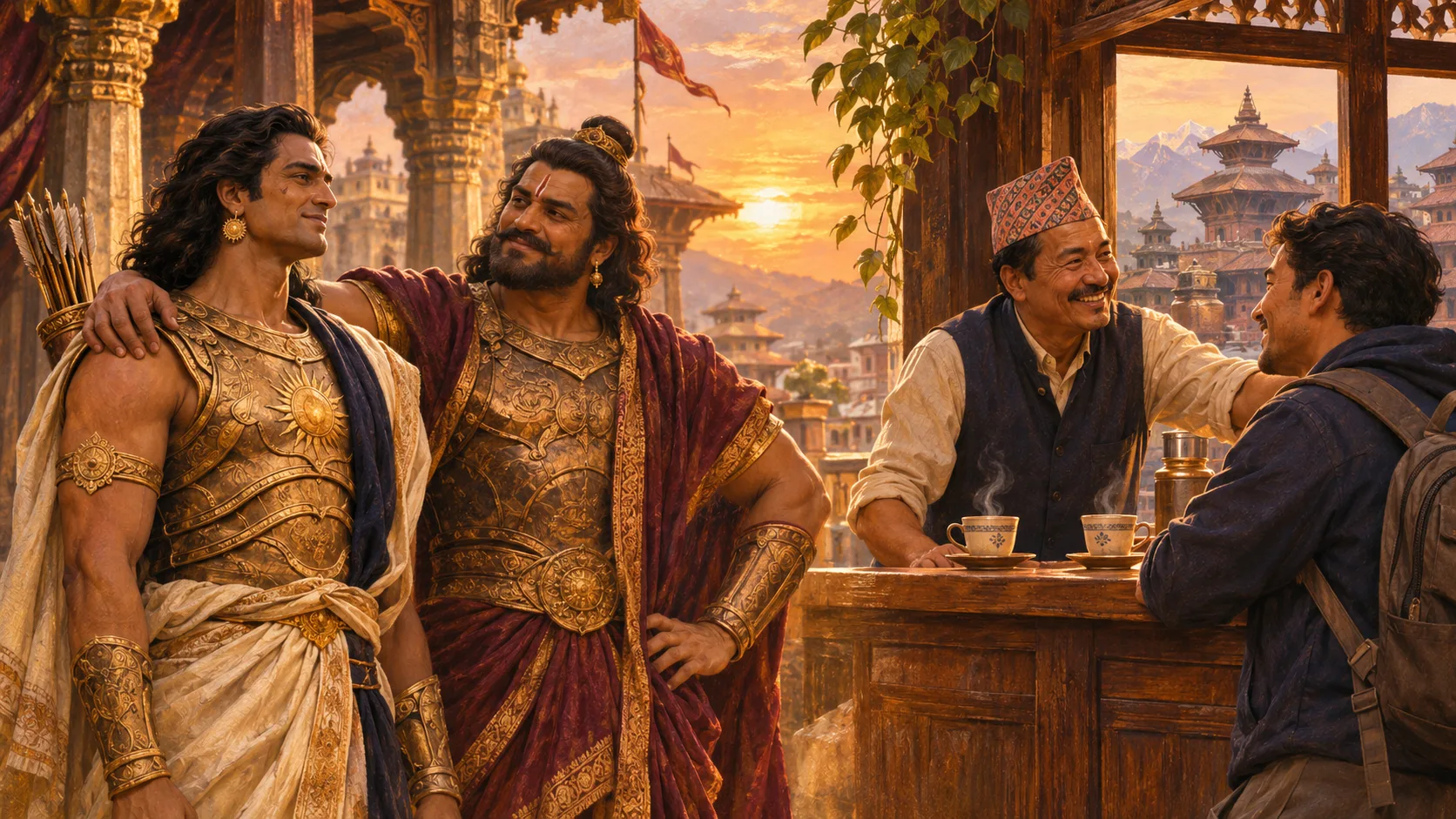
Brand loyalty often begins long before the next buying decision. The Mahabharata offers a useful way to understand this. By the time the war of Kurukshetra became unavoidable, the choices before its warriors were not simply military ones. Bhishma stood with the throne of Hastinapur despite his concerns about Duryodhana. Karna remained beside Duryodhana even after learning the truth about his relationship with the Pandavas. Duty, friendship, gratitude, obligation and identity all influenced where people stood.
What interests me is that these decisions cannot be explained by comparing the size of the two armies. The relationships had begun long before the battlefield. By the time the warriors entered their camps, they were carrying years of shared history.
Markets are not Kurukshetra, of course. Customers do not owe companies the allegiance of a warrior to a king. Yet something about this attachment feels familiar. Mention competing motorcycle brands among enthusiastic riders, and a discussion about engines can quickly become a defence of identity. Ask devoted phone users to compare their favourite brands, and specifications may become only a small part of the conversation.
People are not always defending what they bought. Sometimes, they are defending what the choice means to them.
That brings us to brand loyalty. After exploring brand equity, loyalty is a natural next question: when customers have alternatives, what makes them continue choosing us?
Brand Loyalty Is More Than Repeat Purchase
A customer buying once gives a business a sale. A customer returning gives it another opportunity. But a second purchase, or even a twentieth, does not tell us everything about the relationship.
Someone may visit the same petrol station because it lies on the way home. A family may continue using a bank because moving accounts feels troublesome. A customer may buy the same product because the nearest shop offers few alternatives. These purchases matter commercially, but they do not necessarily reveal a strong preference for the brand.
Habit, convenience and limited choice can all produce repeat business. They can also support genuine loyalty. The mistake is assuming that the sales record alone tells us which of these forces is keeping the customer.
One useful test is what happens when a reasonable alternative becomes available. Does the customer immediately move, or does something about the existing brand still matter? Loyalty becomes more evident when people have a choice and continue to prefer the relationship they already have.
This does not mean a loyal customer must buy exclusively from one company. People can favour a restaurant while occasionally eating elsewhere. They can prefer a clothing brand without buying their entire wardrobe from it. Loyalty is often a continuing preference rather than an unbreakable commitment.
Familiarity Makes the Next Decision Easier
Think of a restaurant you have visited for years. It may not have the most impressive interiors in the city, and another restaurant may serve similar food at a similar price. Yet when you want a particular meal, it is the place that comes to mind.
Part of the reason may be taste. Another part is certainty. You know what will arrive, how spicy it will be and whether the portion will be enough. Perhaps someone recognises you when you enter. The restaurant has made the decision comfortable.
This is where loyalty connects with brand trust. Customers do not want to investigate every purchase from the beginning. A dependable brand allows them to use what they already know instead of repeatedly wondering whether the next experience will disappoint.
Consistency therefore matters deeply. If the same product delivers three different experiences across three purchases, confidence weakens. If a hotel is attentive on one visit and careless on the next, familiarity may gradually become frustration. Customers need a reasonable sense of what they can expect.
The brand does not have to surprise people every time. Often, its most valuable achievement is delivering what they came back for.
Some Brands Become Part of How People See Themselves
Dependability explains much of loyalty, but some relationships carry an additional layer of meaning. A brand can become connected with a person’s memories, routines, friendships or sense of identity. At that point, changing brands may feel like more than replacing a product.
Royal Enfield offers a useful example. For some riders, its appeal includes the journeys, community and character associated with the motorcycle. The purchase is still a practical and financial decision, but the relationship can extend beyond mileage and engine specifications.
Apple illustrates a different combination. Some customers value familiar interfaces, connected devices, design and the effort they have already invested in learning the system. Their continued preference may include satisfaction, emotional attachment and the practical inconvenience of switching. These influences can exist together.
Closer to home, Wai Wai carries memories for many Nepali consumers. School breaks, hostel rooms, bus journeys and late-night hunger have helped make the packet familiar across different stages of life. A newer competitor can offer noodles, but it cannot instantly reproduce those personal memories.
However, memory does not guarantee the next purchase. An established brand still has to offer something relevant today. Younger customers may not share their parents’ attachment, and long-time customers can reconsider when quality, value or service no longer meets their expectations.
Karna’s Loyalty Began Before the Battlefield
Karna’s relationship with Duryodhana gives this discussion its most complicated example. When Karna’s standing was challenged at the tournament, Duryodhana made him king of Anga. Recognition and friendship became central to their bond, and Karna’s later allegiance cannot be understood without that earlier moment.
This is not a simple celebration of unquestioning loyalty. Their relationship also raises difficult questions about responsibility and the consequences of standing beside someone. Loyalty can explain a choice without making every choice right.
For brands, the useful lesson is narrower: people remember how they were treated when something mattered to them. A relationship may begin with an ordinary transaction, but a meaningful moment can give it greater weight.
A hotel may help a family during a difficult journey. A shopkeeper may extend credit when money is short. A company may replace a faulty product without forcing the customer into an argument. None of these moments needs to become an advertising campaign to remain important to the person who experienced it.
This connects directly with brand experience. An employee who listens carefully and takes responsibility may strengthen a relationship more effectively than another promotional message. The customer remembers that someone helped when help was needed.
Loyalty grows when customers have reasons to return, not merely reasons to find leaving difficult.
A Loyalty Programme Is Only Part of the Relationship
Points, membership cards and discounts can encourage customers to return. A well-designed programme can offer useful savings, recognition and convenience. There is nothing wrong with rewarding repeat business.
The difficulty begins when the business confuses the reward with the relationship. If the experience is disappointing and the only attraction is a discount, a stronger offer elsewhere may be enough to change the customer’s decision.
A programme works better when it supports something customers already value. A hotel might remember a returning guest’s preferences. A café might make ordering easier for regular visitors. A retailer might provide dependable assistance after purchase. The reward then becomes part of a useful experience rather than compensation for a poor one.
Businesses should also be careful about treating existing customers as less important than prospective ones. When every attractive offer is reserved for new customers, regular buyers may begin to wonder whether their continued support means anything.
Recognition does not always require an expensive benefit. Sometimes it means a fair explanation, a remembered preference or a problem resolved without unnecessary repetition. The important thing is that customers feel their relationship with the business is respected.
Understand Why People Stay
Before trying to increase loyalty, a business should understand what currently brings people back. The answer may be convenience, price, product performance, service, personal relationships or community. Usually, several reasons work together.
Each reason creates a different responsibility. A business chosen for convenience must protect ease of access. A restaurant chosen for consistent taste must maintain its kitchen standards. A brand valued for personal service must ensure that growth does not make the relationship impersonal.
Business leaders can begin with four practical questions:
- Why do customers return? Ask customers directly, then compare their answers with what their behaviour suggests.
- What happens when an alternative appears? Look for whether customers remain, leave or divide their purchases between brands, and understand why.
- Where are regular customers experiencing frustration? Repeated inconvenience can weaken a relationship that still looks healthy in the sales report.
- What would customers miss if we disappeared? The answer may reveal the part of the relationship most worth protecting.
These questions are more useful than assuming that a customer database is a list of loyal people. Purchase frequency tells us something important, but the reasons behind that frequency help us understand how durable the relationship may be.
Loyalty Creates Responsibility, Not Immunity
A long relationship can give a brand patience and goodwill. A customer may forgive an occasional mistake because previous experiences have been good. But forgiveness should never become something the business expects as a right.
In fact, disappointment can feel sharper when it comes from a familiar brand. “I expected better from you” is not the response of an indifferent customer. It reflects a standard the brand helped establish through its own behaviour.
That is why the brand promise remains important after the first sale. A company cannot quietly reduce quality, ignore complaints or make unreasonable demands on customers and assume that history will protect it indefinitely.
Some loyal customers recommend a brand or defend it when others criticise it. Others express their preference more quietly by returning. Both deserve respect. Neither should be expected to overlook genuine problems simply because they have supported the business before.
The Mahabharata reminds us that allegiance carries history. The choices made at Kurukshetra were shaped by relationships that had developed long before the war. In the marketplace, too, a customer’s next decision may carry the memory of many earlier encounters.
A brand cannot demand that attachment. It can make the product dependable, the experience worthwhile and the relationship fair. Over time, customers may find that choosing it again feels both sensible and familiar.
That is how a business moves beyond winning another transaction. It begins earning a place in the customer’s life that alternatives cannot easily replace.
Brand Neeti
Brand loyalty is more than repeated purchase. It is the preference that remains when customers have other choices. It grows through consistent experience, trust, familiarity and meaningful moments—and lasts only while the brand continues to deserve it.
Originally published on mireshadhikari.com on 3 November 2026.
Explore more of my articles on Management, AI, leadership, and workforce development.
#BrandVyuha #Brand_Vyuha
You May Also Enjoy Reading

The Invisible Weight of a Name: Understanding Brand Equity
What makes a familiar name worth more than an unknown one? Through a Mahabharata lens, this article explores how experience, confidence and…
Read article
Hastinapur Lived in the Mind: The Battle for Brand Recall
Hastinapur was more than a kingdom in the Mahabharata. Its name carried the weight of lineage, authority and the Kuru throne. For…
Read article
Indraprastha Was Not Built by Accident: Designing Brand Experience
Customers experience one brand across many interactions. Drawing on Indraprastha, this article explores how products, people and processes turn a brand promise…
Read article
The Story People Remember: Why Brands Need a Narrative
A brand narrative connects where a business comes from, what it believes and how it helps customers. Its strength depends on truthful…
Read article